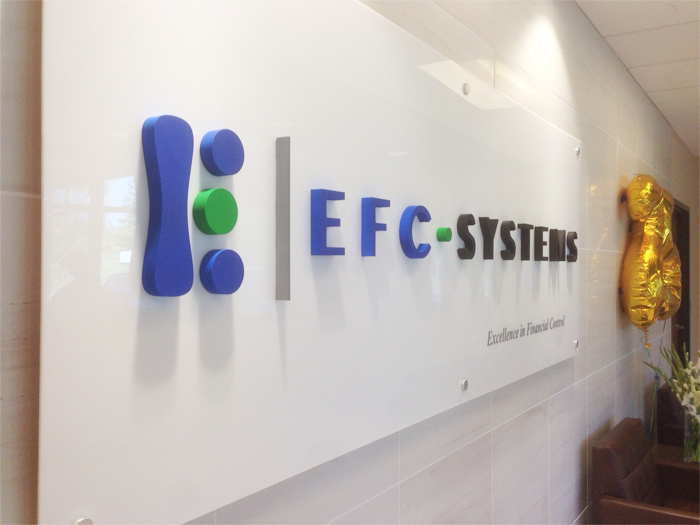
Corporate signs play a crucial part in shaping a brand’s public image. From storefront signage to office building branding, the use of professional signage impacts visibility, customer perception, and overall business identity. When designed and placed correctly, corporate signs serve as effective visual tools that speak volumes without needing words.
First Impressions Matter
A well-crafted corporate sign often provides the first point of contact between a business and its audience. Whether it’s a monument sign at a business park entrance or a sleek lobby sign inside a corporate office, the appearance of these signs creates an initial impression. Clean typography, consistent branding, and durable materials contribute to a sense of professionalism and reliability. In competitive markets, these small visual details often set the tone for client expectations and trust.
Strengthening Brand Identity
Corporate signs do more than inform; they reinforce brand recognition. Repeated exposure to a company’s logo, colours, and messaging across multiple sign types—outdoor signs, directional signs, or reception area displays—helps solidify brand identity in the minds of customers and visitors. Businesses that maintain consistent visual branding across all signage forms are often more memorable and easier to identify in crowded environments.
Direction and Navigation
In large corporate buildings or campuses, signage also plays a vital role in wayfinding. Clear directional signs reduce confusion, improve visitor experience, and contribute to the safety and efficiency of a location. From identifying entrances and exits to pointing toward departments or amenities, these signs serve a functional purpose that supports overall operations. Effective directional corporate signs are often integrated seamlessly into the interior and exterior design, blending utility with brand style.
Customisation and Versatility
The flexibility of corporate signs allows them to be tailored to specific industries, functions, and locations. For example, financial institutions may opt for engraved metal plaques for a traditional appearance, while tech firms may choose LED-lit signs for a more contemporary look. Materials, colours, fonts, and sizes can be customised to suit the tone and requirements of the brand. This adaptability makes corporate signs suitable for a wide range of business types, from start-ups to multinational corporations.
Compliance and Safety
Beyond aesthetics and branding, corporate signs also support compliance with legal and safety requirements. In many commercial environments, it’s necessary to display evacuation maps, emergency exits, and safety instructions. These signs must meet specific standards in terms of visibility and wording. Well-placed corporate signs not only help businesses comply with regulations but also contribute to workplace safety and peace of mind.
Long-Term Value
While digital marketing channels are important, physical signage remains a long-term investment that continues to bring value over time. Unlike temporary campaigns, corporate signs can provide ongoing brand exposure 24/7. High-quality signs require little maintenance and can endure various weather and environmental conditions, especially when made from durable materials such as acrylic, aluminium, or stainless steel. This makes them a cost-effective tool for reinforcing brand presence in the physical world.
Conclusion
Corporate signs serve as essential components of business visibility, branding, and communication. Their ability to combine functionality with visual appeal makes them valuable assets in both external and internal business environments. When aligned with a brand’s identity and strategic goals, corporate signs contribute significantly to recognition, trust, and customer experience across various industries
Comments
Post a Comment